







Search Results for: coffee refractometer
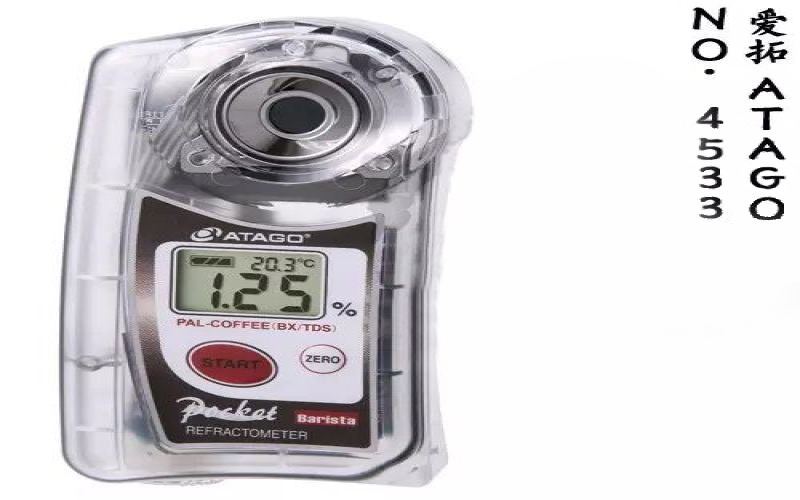
ATAGO Coffee Concentration Meter Operation Guide: A Complete Analysis from Zero Calibration to Extraction Yield Calculation
For coffee enthusiasts pursuing precise extraction, the ATAGO refractometer is a common professional tool. This article focuses on three coffee refractometers under the brand—4523, 4532, and 4533—sorting out their differences and purchasing advice, and addresses questions about accuracy comparisons with the VST LAB. Then, using the 4532 TDS model as an example, it explains step by step the practical essentials such as the unboxing checklist, battery installation, zero calibration, concentration measurement, and extraction yield calculation. The article also particularly reminds readers of easily overlooked details such as zeroing frequency, sample temperature, and cleaning taboos. If you are currently using or considering purchasing an ATAGO refractometer, this guide will help you avoid common pitfalls and make every measurement more reliable. Front Street Coffee also emphasizes the standardized use of such instruments in daily quality control. [more…]
ATAGO Refractometer Operation Guide: How to Convert TDS Readings to Golden Cup Extraction Yield
Front Street Coffee received a question from an enthusiast who wants to know how to get started with coffee concentration measuring instruments like ATAGO. This article will demonstrate the operating procedure of the instrument step by step, explain the meaning of the two readings, Brix and TDS, and show how to use the measured TDS value to calculate the coffee's extraction yield. The article will also introduce the two core standards of the Golden Cup theory—extraction yield of 18%–22% and concentration of 1.2%–1.45%—as well as the flavor characteristics brought by under-extraction and over-extraction, helping you more accurately judge whether a cup of coffee falls within the ideal range in your daily brewing. [more…]
An In-Depth Analysis of Coffee Extraction: Concentration Measurement, Extraction Yield Conversion, and Calculation Methods for Various Brewing Devices
Coffee extraction is the key step that determines flavor. About 30% of coffee beans consists of soluble substances, including both aromatic components and mouthfeel-related compounds, and a higher extraction yield does not necessarily mean better quality. This article systematically introduces concentration measurement methods (refractometer, conductivity pen, evaporation and drying), explains the extraction yield conversion formula in detail, and provides specific calculation steps for different brewing devices such as immersion, pour-over, and espresso. It also includes the golden cup concentration recommendations from the SCAA and SCAE, as well as relevant product information from the Front Street Coffee brand, to help enthusiasts understand extraction more scientifically. [more…]
Should You Wet the Filter Paper for Pour-Over Coffee? An Experiment Reveals the Answer from Three Dimensions: Liquid Volume, Concentration, and Taste
When brewing pour-over coffee, should the paper filter really be pre-wetted? This question seems minor, yet it can affect the final liquid volume, concentration, and flavor expression. This time, Front Street Coffee used two drippers, the V60 and Origami, along with two types of filters, conical and cake, to conduct comparative brews with wetted and non-wetted filters, comparing the differences one by one from liquid weight and refractometer data to actual tasting. At the same time, the article also explains in depth why the blooming stage should use twice the amount of water as the coffee grounds, and why the portion of liquid that first contacts the coffee grounds has a lower concentration. If you have also agonized over this detail, you may as well follow the experimental data and see it clearly. [more…]
The Way of Hot-Brewed Pour-Over Coffee: How Temperature Changes Affect Flavor and Concentration Measurement
Many people are used to drinking pour-over coffee while it's hot, but what exactly does temperature do to the flavor of pour-over? Starting from coffee refractometer measurements, this article explores how pour-over coffee tastes at different temperatures and explains why hot coffee better reveals the full flavor of the coffee. We'll also introduce recommended products from Front Street Coffee to help you nail the ideal drinking temperature in your daily brewing. [more…]
Analyzing the Relationship Between Extraction Yield and Strength in Pour-Over Coffee: From the Golden Cup Theory to Brewing Parameter Adjustment Plans
The extraction yield and concentration of pour-over coffee are core concepts that every enthusiast cannot avoid. Extraction yield describes the proportion of soluble substances in coffee beans that are carried out by water, while concentration reflects the percentage of dissolved substances in the coffee liquid. The two are mathematically related through the weight of the coffee liquid and the weight of the coffee grounds, and the extraction yield can be calculated using a refractometer. Understanding the interaction between these two indicators can help us predict flavor trends during brewing and quickly pinpoint the root cause of problems when tasting undesirable flavors such as burnt bitterness, sharp acidity, wateriness, or hollowness. This article starts from Front Street's staged brewing experiments to sort out the logic of changes in extraction yield and concentration, and combines parameters such as coffee-to-water ratio, grind size, and water temperature to provide specific adjustment ideas for under-extraction and over-extraction. [more…]

A Complete Guide to Espresso Extraction Parameters: Customizing Dose, Ratio, Time, and Grind Size
Espresso extraction is not something that can be mastered with a fixed formula. The freshness of the coffee beans, the grind size, the brand and model of the espresso machine, the extraction pressure, and the stability of the water temperature all cause the same bean to present completely different flavors in different hands. This article starts from the dimensions of dose, brew ratio, extraction time, flow rate, pressure, and water temperature, systematically explaining how to customize a suitable espresso extraction plan for the blend of coffee beans you have on hand. It also introduces how to troubleshoot and adjust one by one when the flow rate is abnormal, and how to use a concentration tester to calculate the extraction yield and determine whether it falls within the golden cup range. The article uses the "Warm Sun" blend from Front Street Coffee as an example, providing specific parameter references, and is suitable for coffee enthusiasts who wish to refine their espresso skills. [more…]
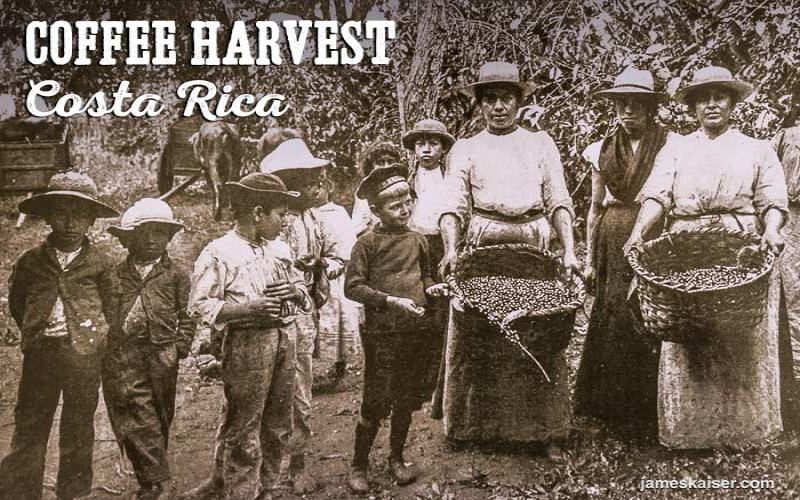
Flavor Profile and Estate Story of Costa Rica Fuego Phoenix Estate SHB Red Honey Process Green Coffee Beans
The Fire Phoenix Estate in Costa Rica's Central Valley is the earliest organic coffee producer in Central and South America to explore honey and natural processing methods. The estate sits on the fertile hills of the Poas Volcano, using a refractometer to precisely determine harvest timing, with coffee cherry sweetness reaching 21–22. This SHB-grade red honey green bean features Caturra and Catuai varieties, 18-screen size, presenting a thick, delicate flavor of dried fruit, vanilla, and honey. The honey process sits between natural and washed, retaining cleanliness while enhancing sweetness and caramel notes. Front Street Coffee's recommended Blackberry and Mozart are prime examples of the charm of Costa Rican honey processing. [more…]
Master the Three Extraction Variables to Easily Adjust Your Espresso Recipe
For baristas who work with espresso machines every day, adjusting the espresso recipe is a familiar daily routine. Only through repeated tasting and fine-tuning of the grind size and coffee-to-water ratio can you produce a truly satisfying cup. Starting from the basic principles of extraction, this article introduces the three core parameters of recipe adjustment—dose, yield, and extraction time—and explains why grind size is the only lever for changing the recipe. It also explores the origin of the 18–22% golden extraction range and how to use a refractometer to scientifically measure extraction results. Whether you are a coffee professional or a seasoned enthusiast, these methods can help you optimize your espresso recipe more rationally. [more…]
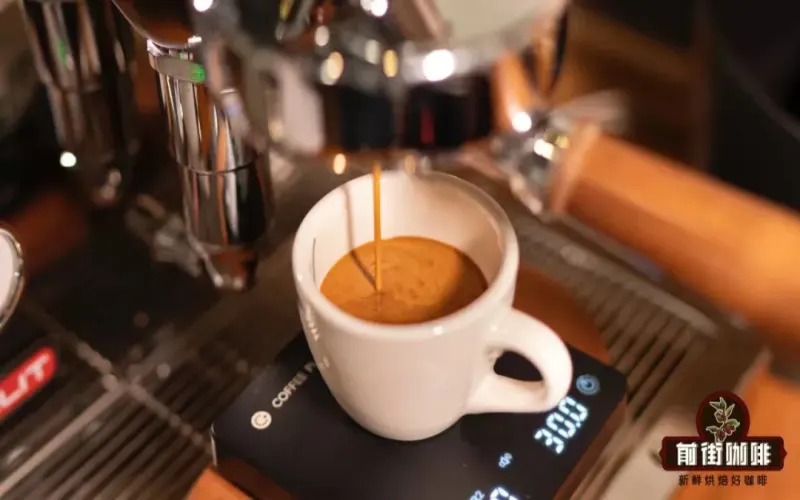
Is it OK to pause and resume an espresso shot mid-extraction? Testing how different resume points affect concentration and flavor
When pulling espresso, you occasionally get distracted and stop before the liquid weight reaches the target. Can you press the brew button again to make up the missing amount? Front Street ran a set of controlled experiments using its own Front Street Strawberry Candy · Espresso: first, a normal espresso was made, then extraction was cut off at one-half, two-thirds, and four-fifths of the target liquid weight and restarted, and a refractometer was used to measure and compare the flavors. The results showed that the earlier the extraction was cut off, the greater the gap in concentration and extraction yield, and the thinner the mouthfeel. The reason is related to changes in puck resistance under pressurized extraction. If you have also encountered the situation of cutting off and then topping up the shot, this hands-on test can give you clear operating advice. [more…]
Costa Rica Las Lajas Estate Coffee: A Comprehensive Analysis of Yellow Honey Processing Flavor, Variety, and Origin
Las Lajas Estate is located in Sabanilla in Costa Rica's Central Valley production region, at the foot of Poas Volcano, and is renowned for its yellow honey-processed coffee. The estate sits at an altitude of 1,300 to 1,500 meters and cultivates the Caturra and Catuai varieties, with a flavor profile layered with honey, tropical fruit, maple syrup, and melon. Las Lajas is one of the earliest estates in Central America to experiment with honey processing and natural sun-drying. Third-generation operator Francisca introduced a refractometer to measure the sugar content of coffee cherries, sun-drying only those fruits with a sweetness above 20%. The estate adheres to natural farming methods and in 2000 became the first estate in Costa Rica to obtain organic certification. Front Street Coffee recommends this coffee, and below is a detailed account of its origin, variety, processing method, and flavor. [more…]
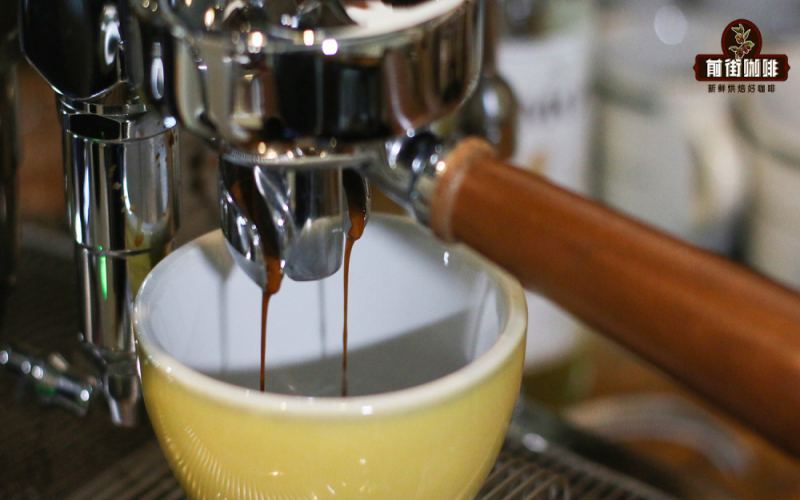
Espresso Tasting Guide: The Difference Between Single and Double Shots and How to Drink It Properly
Espresso is the foundation of the Italian coffee system, known for its high concentration and concentrated flavors. It serves both as the base for specialty coffee drinks and as a beverage suitable for drinking on its own. A standard single shot of espresso is about 30 milliliters, while a double shot is about 60 milliliters, and "shot" is commonly used as the unit when ordering. Front Street Coffee measured espresso concentration at about 9% to 11% using a refractometer, far higher than the roughly 1.3% of pour-over coffee, so the bitterness is pronounced, but the focus of tasting lies in the aroma, mouthfeel, and finish. This article will start with the difference between single and double shots, analyze the cleanliness, balance, crema layer, and sources of the finish of espresso, and share the correct four-step way to drink it, helping you better appreciate the charm of this rich cup of coffee. [more…]
In-Depth Analysis of Costa Rica Fuego Phoenix Estate Coffee: Black Rose Honey Processing and Natural Flavors from the Central Valley Region
Costa Rica, with its abundant coastlines on both the east and west and its high-altitude volcanic soil, produces high-quality coffee with a mild flavor, bright acidity, and rich body. Its Central Valley production region sits at an altitude of 1,200 to 1,600 meters, where the microclimate and the fertile soil of two volcanoes together create coffee with hard beans and full aroma. Finca El Fénix, as the earliest producer in Central and South America to practice honey processing and natural processing, uses a refractometer to precisely control the harvest timing and has cultivated the astonishingly sweet Black Rose lot. This article will provide an in-depth introduction to the estate's environmental philosophy, the SHB extremely hard bean standard, and the unique processing technique of Black Rose, along with Front Street Coffee's pour-over recommendation. [more…]
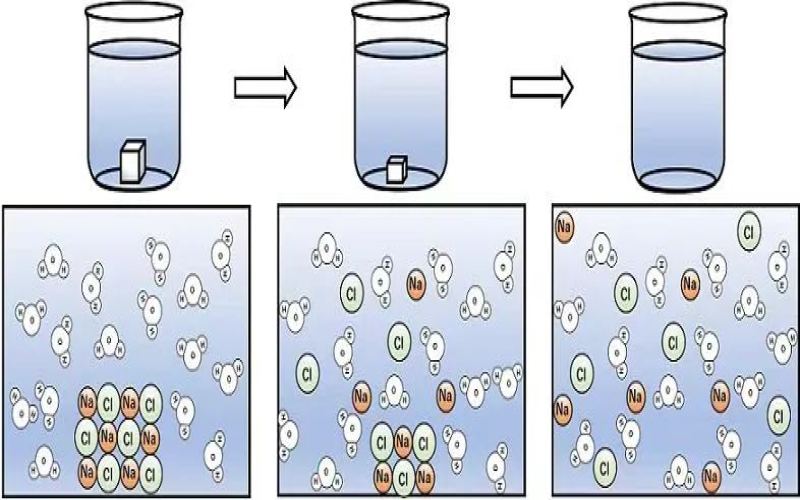
Pour-Over Coffee Brewing Temperature | What Is the Best Water Temperature for Brewing Pour-Over Coffee? Does Brewing Water Temperature Have a Big Impact on Coffee Flavor and Mouthfeel?
For pour-over coffee, most people tend to use higher water temperatures for extraction, because high temperatures not only improve extraction efficiency but, more importantly, bring out a rich, sweet-and-sour aroma and flavor. Basically, the water temperature used for pour-over coffee is rarely below 80°C. So, if you brew coffee below this temperature, is there any [more…]
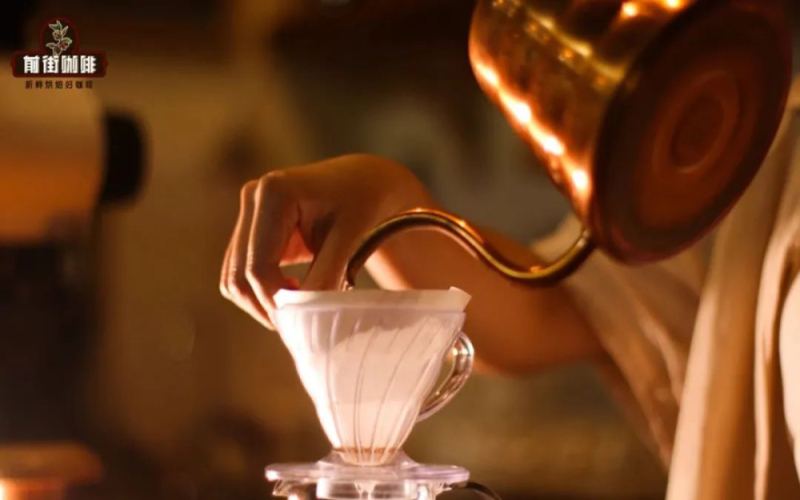
How Does Filter Paper Fit Affect Coffee Extraction? A Comparative Experiment Between V60 and KONO Reveals Flavor Differences
Wetting the filter paper before brewing coffee is almost a standard step for all pour-over enthusiasts, with the usual goals of making the filter paper fit snugly, removing paper dust, and, if hot water is used, warming the cup along the way. However, most tutorials rarely discuss in depth how much the degree of fit between the filter paper and the dripper actually affects the final taste. Front Street conducted two sets of controlled experiments, using V60 and KONO drippers respectively, paired with filter papers in different states of fit for brewing, and tasted and compared them one by one. The experiment used the floral-fruity Front Street · Gedin Gedin and the nutty-sweet Front Street · Brazil Red Bourbon, and the results showed that a poorly fitting filter paper significantly changes the flow rate, which in turn affects the extraction yield and concentration, producing noticeable differences in mouthfeel. [more…]
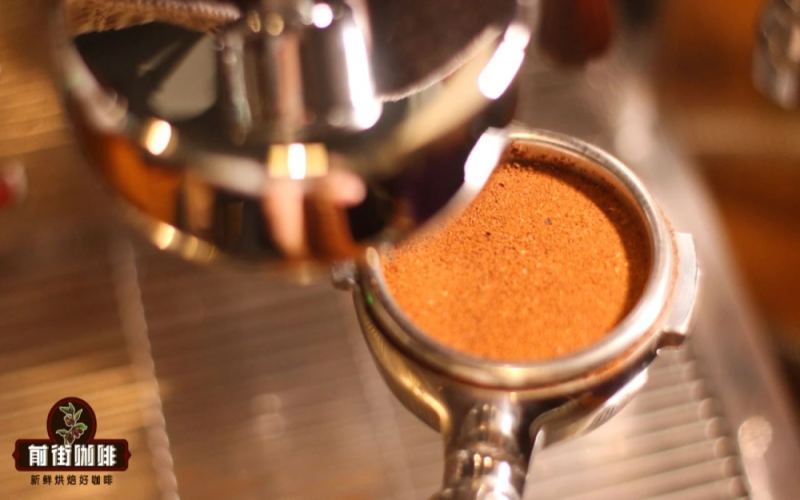
How to Determine the Grind Size for Espresso? A Complete Guide from Bean Selection and Grinder to Brew Ratio and Extraction Time
Many coffee enthusiasts who make espresso at home often run into problems like abnormal flow rate, thin crema, and weak flavor—and the root cause is usually the grind size. This article starts with bean selection and the types of coffee grinders, then systematically lays out the criteria for judging espresso grind coarseness. It explains how flat burr grinders work, along with their pros and cons, and offers a dialing-in method based on a 1:2 coffee-to-water ratio and a 25-to-28-second extraction time. This helps readers judge whether the grind is too coarse or too fine by observing flow rate, crema color, and flavor performance. The article also includes the extraction parameters and flavor description of Front Street Coffee's classic espresso blend for practical reference. [more…]
Beginner's Guide to Pour-Over Coffee | How Much Water Should You Use When Brewing Pour-Over Coffee? Is the Pour-Over Coffee Coffee-to-Water Ratio Always 1:15? What Factors Affect the Flavor of Pour-Over Black Coffee?
The coffee-to-water ratio is a very important parameter in pour-over coffee. Put simply, with a fixed amount of coffee grounds, there is an amount of water that is just right to bring out the aroma of the coffee to the fullest. Therefore, learning to find the correct coffee-to-water ratio is also an important part of learning to brew coffee. What is the coffee-to-water ratio? [more…]
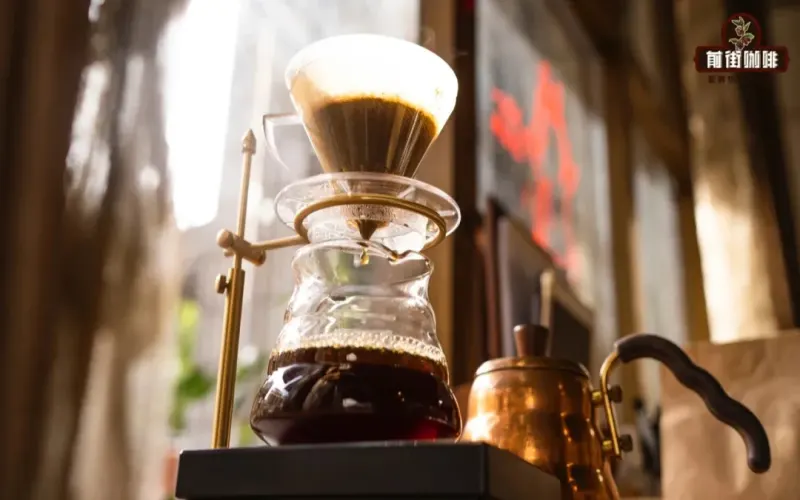
Why Is It Not Advisable for Beginners to Use the Coffee-to-Liquid Ratio? A Detailed Explanation of the Core Differences Between the Coffee-to-Water Ratio and the Coffee-to-Liquid Ratio
There are two main ways to measure coffee for pour-over: the coffee-to-water ratio and the coffee-to-liquid ratio, but Front Street does not recommend that beginners use the coffee-to-liquid ratio to brew coffee. What exactly is the difference between the two? Simply put, the coffee-to-water ratio measures the amount of water poured in, while the coffee-to-liquid ratio measures the weight of the final brewed coffee liquid. The reason the coffee-to-liquid ratio is not quite suitable for beginners is that it does not allow you to accurately know how much water was poured in each time, and you can only rely on experience and visual judgment. A slight lapse can lead to pouring too much hot water at a critical stage, affecting the quality of the final cup. This article will start with the differences between the two and their historical origins, and combine them with a set of comparative experiments done by Front Street using Panama Boquete Geisha to explain the actual effect of blooming water volume on flavor, helping you choose the right measuring method and brew good coffee consistently. [more…]
How Is the Golden Cup Extraction Yield for Pour-Over Coffee Calculated? A Detailed Explanation from Concentration Measurement to Front Street Coffee Practical Cases
How exactly should the extraction yield and strength of pour-over coffee be calculated? The golden cup extraction yield range defined by the SCAA is 18% to 22%, corresponding to a TDS strength of about 1.15% to 1.35%, while the coffee-to-water ratio falls within the range of 1:12 to 1:15. This theory originates from Dr. Lockhart's scientific experiments in the 1950s, in which he quantified coffee flavor and laid the foundation for the golden cup standard. This article starts from the daily brewing at Front Street Coffee, explains the definitions of extraction yield and strength, the conversion formulas, and how to use a refractometer, and, using beans from Panama's Elida Estate as an example, fully demonstrates the parameter settings, pouring rhythm, and extraction yield calculation process of a staged pour-over, helping coffee enthusiasts understand the practical application and reference value of the golden cup theory. [more…]
Espresso | What is the golden extraction ratio for espresso? Must the coffee-to-liquid ratio for making espresso be 1:2?
Front Street Coffee believes that after you've been working with espresso for a while, you'll certainly be familiar with the "1:2" brew ratio, because it's often hailed as the "golden ratio" for espresso and is the most commonly used ratio when extracting espresso. Brew ratio refers to the amount of coffee grounds used [more…]